
I remember the feeling distinctly. It was a crisp autumn afternoon, the kind where the leaves put on their most vibrant show, and I was standing on a patch of ground that, at the time, looked like… well, not much. It was a patch of dirt, a few stakes in the ground, and the promise of a future home. I was looking at a pre-construction development, and for a moment, I felt like an explorer charting new territory. This wasn’t just buying a house; it was stepping onto a blank canvas, ready to be transformed into my own personal masterpiece.
You see, I’d been through the whole buying process before. I’d scoured listings, attended countless open houses, and felt the familiar pang of disappointment when a house that looked perfect online turned out to be a bit… tired in person. Worn carpets, outdated kitchens, that lingering smell of "lived-in" – it all felt like compromises. Then, a friend told me about pre-construction homes, and a spark ignited. The idea of a brand-new home, built from the ground up, with my own touches, was incredibly appealing.
The term "pre-construction" might sound a bit daunting, conjuring images of blueprints and complicated legal jargon. But honestly, it’s more straightforward than you might think. Essentially, you’re buying a home before it’s actually built, or at a very early stage of construction. Think of it like ordering a custom-made suit versus buying one off the rack. You get to choose the fabric, the cut, the details – everything.
My first foray into this world began with a visit to a sales center. It was more like a showroom than a construction site. They had scaled models of the proposed community, samples of flooring, countertops, and cabinet finishes. The sales team, who were incredibly patient, walked me through the entire process. They explained the different floor plans, the options for customization, and the projected timelines. It was a lot to take in, but they made it feel manageable, almost exciting.
One of the biggest draws for me was the ability to personalize my living space. In a resale home, you often inherit someone else’s taste. You might love the location, but the avocado-green bathroom tiles? Not so much. With pre-construction, I had the chance to choose the finishes that reflected my style. I spent hours poring over samples, imagining how each element would come together. I picked out the perfect shade of grey for the walls, a sleek quartz countertop for the kitchen, and a durable, yet stylish, laminate flooring for the main living areas. It felt like I was designing my dream home, piece by piece.
Beyond the aesthetics, there’s a tangible financial advantage to pre-construction homes. Often, you can secure a property at a lower price point than a comparable resale home in the same area, especially if you get in during the early phases of development. The builder is essentially selling future value. You pay a deposit upfront, and then the balance is typically due upon completion. This phased payment structure can be incredibly beneficial for managing your finances. It gives you time to save up, to sell your current property, or to simply get your affairs in order without the pressure of an immediate, lump-sum payment.
I also learned about the potential for appreciation. When you buy pre-construction, you’re often buying into a developing neighborhood. As more amenities are built, as the community grows, and as demand increases, the value of your home can increase even before you’ve moved in. It’s a bit of a gamble, of course, as with any real estate investment, but it’s a calculated one, based on the builder’s track record and the area’s growth potential.
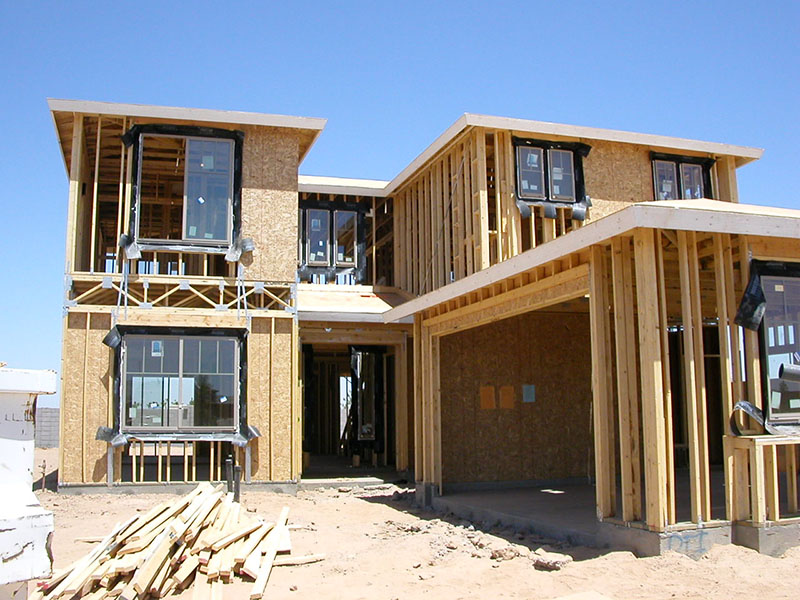
The process itself is a journey. There are milestones to track: the foundation being laid, the framing going up, the roof being installed. The builder usually provides regular updates, sometimes even photos or videos of the progress. It’s fascinating to watch your future home take shape from the ground up. It fosters a sense of connection and ownership that you just don’t get with a finished property. I found myself checking the construction site (from a safe distance, of course!) every so often, just to see the progress. It was like watching a plant grow, but on a much grander scale.
Of course, it’s not without its considerations. Timelines are not always set in stone. Construction can be subject to delays due to weather, material availability, or unforeseen circumstances. It’s crucial to have a realistic understanding of the projected completion date and to have some flexibility in your own plans. I knew friends who had to extend their rental leases because their pre-construction home was delayed, so I made sure to factor in a buffer.
Another important aspect is understanding the contract. Pre-construction agreements can be complex. It’s highly recommended, and I can’t stress this enough, to have an experienced real estate lawyer review the contract before you sign anything. They can help you understand all the clauses, protect your interests, and ensure you’re aware of your rights and responsibilities. I learned that reading the fine print isn’t just a cliché; it’s essential.
The builder’s reputation is also paramount. Do your homework. Research the developer. Look at their past projects. Read reviews from previous buyers. A reputable builder will have a track record of quality construction, good communication, and reliable warranties. My builder had a strong local presence and a portfolio of well-built homes, which gave me a lot of confidence.
When it came time for the final walkthrough, it was a moment of pure satisfaction. Seeing the finished product, knowing that I had a hand in its creation, was incredibly rewarding. The house was everything I had envisioned, and more. The fresh paint, the gleaming new appliances, the smell of… well, newness! It was a stark contrast to the often-worn charm of older homes.
The warranty provided by the builder is another significant benefit. New homes typically come with a warranty that covers various aspects of the construction, offering peace of mind for the first few years of ownership. This is a major advantage over buying a resale home, where you might be responsible for immediate repairs and replacements.
For first-time homebuyers, pre-construction can be a particularly attractive option. The phased payment structure can make it more accessible, and the ability to choose finishes means you can tailor your home to your budget and your evolving needs. It’s like starting with a clean slate, without the baggage of previous owners’ decisions.
My journey into pre-construction homes was a revelation. It transformed my perception of home buying from a potentially stressful negotiation into an exciting collaborative process. It’s about more than just acquiring property; it’s about building a future, brick by brick, choice by choice. If you’re looking for a home that’s truly your own, a space that reflects your personality and aspirations, then exploring pre-construction homes might just be the perfect starting point. It’s the allure of a blank canvas, waiting for your unique story to be painted upon it. The investment in time and careful consideration is well worth the reward of a home built for you, by you. The feeling of walking into a house that’s never been lived in, knowing every detail was chosen with care, is an experience unlike any other. It’s a sense of accomplishment, of having shaped your environment from its very foundation. And that, I can tell you, is a truly wonderful feeling.