
Let me tell you, getting into real estate investing felt like stepping onto a tightrope at first. The sheer amount of information, the jargon, the whispers of "get rich quick" schemes – it was overwhelming. But then, I stumbled upon the world of foreclosure investment homes, and it felt less like a tightrope and more like a well-trodden path, albeit one that requires a good dose of grit and savvy. This isn’t about magic formulas; it’s about finding opportunity where others see problems.
My own foray started with a healthy dose of skepticism, honestly. I’d heard stories, seen the movies where people swoop in and snag dream homes for pennies on the dollar. While the reality isn’t quite so dramatic, the core principle holds true: distressed properties can be a goldmine for the right investor. I remember my first "hunt." It was a rainy Tuesday afternoon, and I was poring over online listings, my finger hovering over the "foreclosure" filter. It felt like I was looking at a map of forgotten treasures.
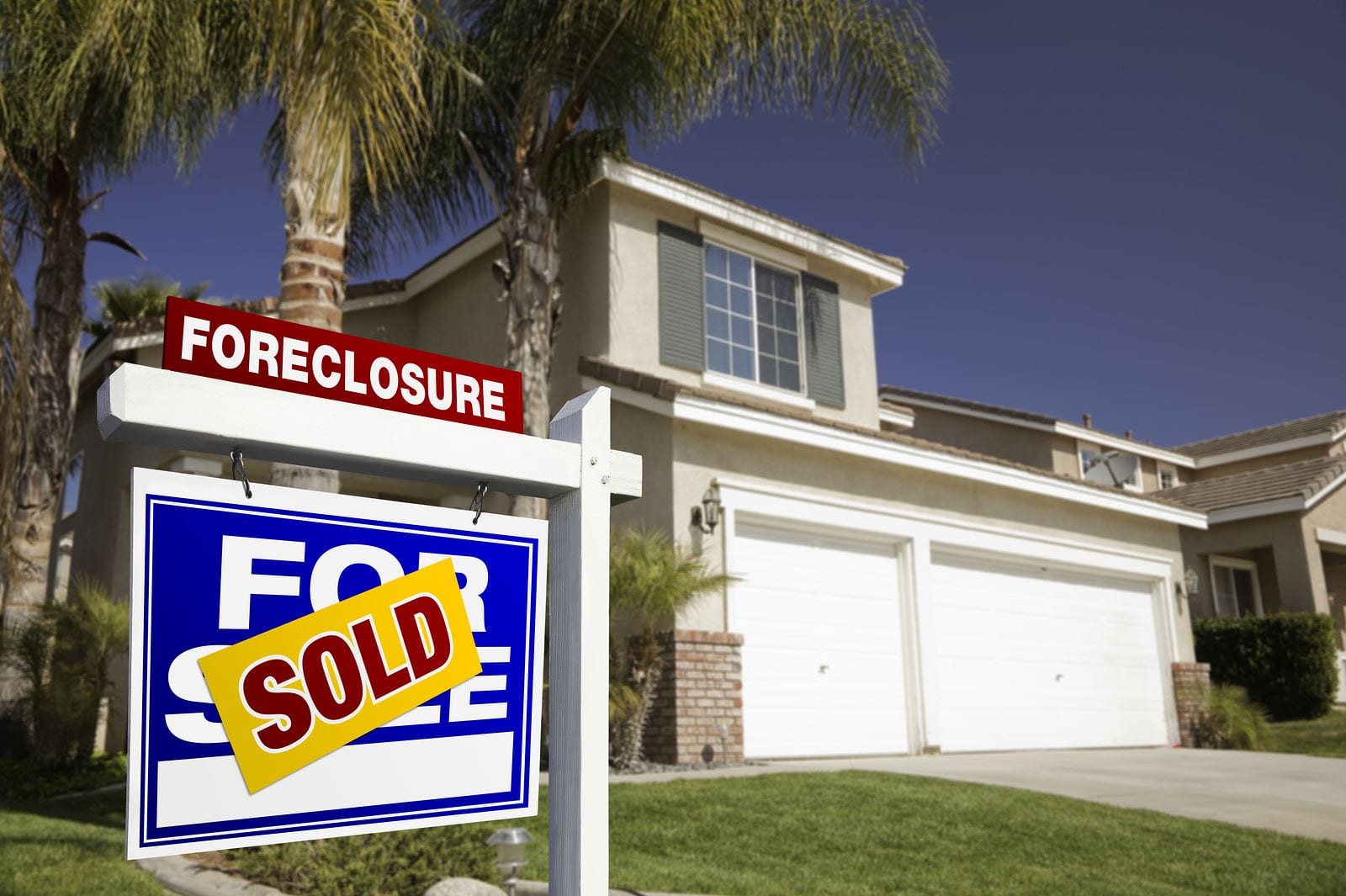
What exactly is a foreclosure investment home? In simple terms, it’s a property that a lender has taken back because the previous owner couldn’t make their mortgage payments. Think of it as a house that’s back on the market, but often with a sense of urgency from the bank to sell it. This urgency is precisely what creates the opportunity for investors like you and me. The bank isn’t primarily interested in making a profit on the sale; their main goal is to recoup as much of the outstanding loan as possible. This often translates to a lower asking price, sometimes significantly lower than comparable properties in good standing.
My initial research was a deep dive into understanding the different avenues for finding these properties. It wasn’t just about browsing Zillow. I learned about the power of local real estate agents who specialize in foreclosures, often called REO (Real Estate Owned) agents. These are the folks who have their finger on the pulse of bank-owned properties. Then there are the auctions – a whole different ballgame, often requiring cash and a willingness to bid on sight unseen properties. I’ll admit, auctions felt a bit too risky for my beginner’s mind. I preferred the more controlled environment of directly purchasing from the bank.
One of the most crucial steps in this journey is due diligence. This isn’t a phrase to gloss over. It’s your shield against costly mistakes. When I found a promising foreclosure, my process was meticulous. First, I’d look at the online listing, of course, but then I’d dig deeper. What’s the neighborhood like? What are the recent sales of comparable homes? This gives you a baseline for value. My next step was to drive by the property – multiple times, at different times of day. What’s the curb appeal? Are there signs of neglect? Is it in a safe area? These visual cues tell a story.
The real work, however, happens when you can get inside. This is where you assess the property’s condition. Foreclosures are rarely move-in ready. They often need repairs, sometimes extensive ones. I learned to look for the big-ticket items: the roof, the HVAC system, plumbing, electrical. A good rule of thumb I developed is to estimate the cost of repairs and then subtract that from your target purchase price. This helps you determine your maximum allowable offer. Don’t be afraid to bring a contractor or a knowledgeable friend along for these initial inspections. An experienced eye can spot problems you might miss.
My first real "win" was a small, older bungalow in a decent, but slightly overlooked, neighborhood. The listing photos showed a house that had clearly seen better days. Peeling paint, overgrown landscaping, and a general air of neglect. But the bones were good. It was in a location with a steadily growing rental demand. After a thorough inspection, I identified some key areas needing attention: a new roof, updated kitchen cabinets, some flooring replacement, and a fresh coat of paint throughout.
The negotiation process with the bank can be a bit different than with a typical seller. They’re not emotionally attached to the property. They want a clean deal. I learned to be persistent but polite. I submitted my offer, and then I waited. Sometimes there are multiple offers, and sometimes the bank will counter. It’s a dance, and patience is your best dance partner. In this case, my offer was accepted, and I felt a surge of excitement mixed with a healthy dose of "what have I gotten myself into?"
The next phase, after securing the property, is where the real work begins: the renovation. This is where you bring the undervalued asset back to life. For my bungalow, I decided to do a "fix and flip" strategy, meaning I planned to renovate it and then sell it for a profit. I sourced reliable contractors, got multiple bids, and kept a close eye on the budget. This is where having a solid renovation plan is crucial. You don’t want to over-improve for the neighborhood, and you certainly don’t want to cut corners on essential repairs.
My renovation journey was filled with its own set of challenges. Unexpected plumbing issues popped up, and the electrical panel needed a complete overhaul. These are the moments where your initial repair budget gets tested. But by having a contingency fund built into my financial plan, I was able to absorb these surprises without derailing the project. Communication with my contractors was key. Regular site visits and clear instructions ensured the work stayed on track and within budget.
Once the renovations were complete, it was time to list the property. This is where the fruits of your labor are realized. I worked with a real estate agent who understood the local market and the appeal of a well-renovated home. We staged it to showcase its potential, and the offers started coming in. It was incredibly rewarding to see the house, which had once been a symbol of someone’s financial hardship, transformed into a beautiful, desirable home. The sale price exceeded my expectations, and after accounting for all costs – purchase price, renovation, holding costs, closing fees – I walked away with a healthy profit.
This experience cemented my belief in the power of foreclosure investment homes. It’s not always glamorous, and it definitely requires hard work and a willingness to learn. But for those who are willing to put in the effort, it offers a tangible path to building wealth in real estate.
Beyond the fix and flip, there’s also the buy and hold strategy. This involves purchasing a foreclosure, perhaps with some minor cosmetic updates, and then renting it out to generate passive income. This is a longer-term play, but it can provide consistent cash flow and appreciation over time. I’ve explored this avenue as well, and it offers a different kind of satisfaction – the steady hum of income from a property you’ve brought back from distress.
If you’re considering getting into foreclosure investing, here are some key takeaways from my experience:
Educate Yourself Continuously: The real estate market is always evolving. Stay informed about local trends, financing options, and legal aspects of foreclosure investing. Read books, attend seminars, and connect with other investors.
Build a Reliable Network: Having a team of trusted professionals – real estate agents, contractors, inspectors, lenders, and even attorneys – is invaluable. These are the people who will support you through the process.
Understand Your Local Market: What’s in demand in your area? Are people looking for starter homes, family houses, or rental properties? This will guide your investment decisions.
Be Financially Prepared: Foreclosure investing often requires capital. Have a clear understanding of your financing options and ensure you have enough cash reserves for unexpected expenses.
Develop a Strong Due Diligence Process: Never skip this step. Thoroughly inspect properties and understand the true cost of repairs.
Be Patient and Persistent: Not every deal will be a home run. There will be challenges and setbacks. Learn from them, adjust your strategy, and keep moving forward.
Foreclosure investment homes aren’t just about acquiring property; they’re about identifying potential, seeing beyond the current state of disrepair, and transforming that potential into tangible value. It’s a journey that demands research, a sharp eye, and a robust understanding of the market. But for me, it’s been a journey filled with valuable lessons and rewarding outcomes, proving that even in distressed situations, opportunity truly does knock – you just need to be ready to answer.